5 books that changed the way I think about children and reading
Possibly my nerdiest confession... one of my favourite things to read is books about reading.
This year alone I've read over 20 of them … and plenty more over the years I spent training teachers to teach reading.
The books cover topics such as: the neuroscience of reading, making phonics fun, the power of reading aloud, and the ones that try to work out why some children turn into lifelong readers and others don't.
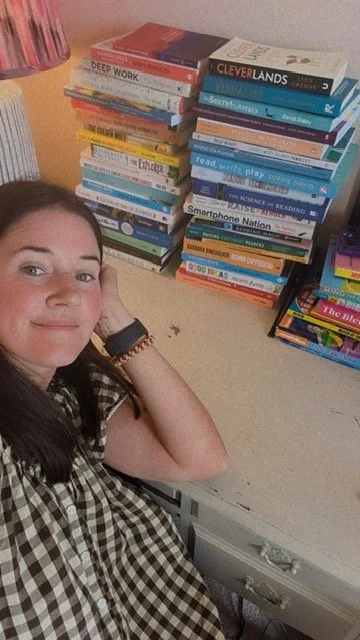
Still in my nightie the morning after staying up far too late reading the twentieth book this year about reading.
The questions in my inbox have changed. They used to be: “How do I teach my child to read?” Increasingly, they’re: “How do I get them to WANT to?”
So here are five books that have changed the way I think about one of the biggest questions facing parents today: how do we raise children who don’t just learn to read, but actually WANT to read?
The books explore topics such as how reading starts, how it is taught in most schools in the UK, and how a child goes from being able to read to actually choosing to.
1. What Comes Before Phonics? by Sally Neaum
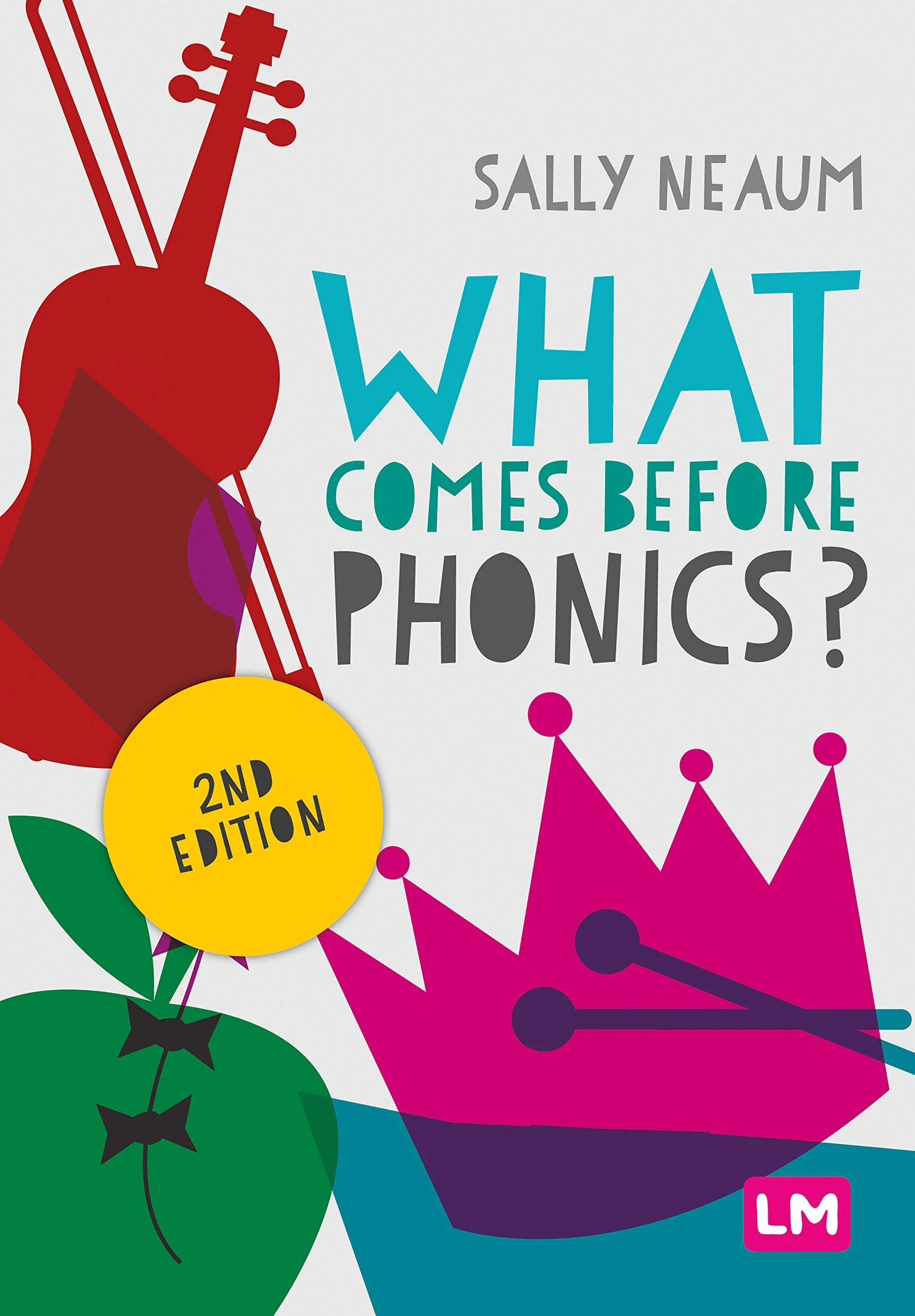
This one starts at the very beginning.
Before a child can match a sound to a letter, they need an enormous amount of spoken language behind them. Rhyme. Listening. Hearing the beats inside words. Playing with sounds out loud.
I recommend this constantly to teachers and parents of three and four year olds who feel like they should be "doing phonics" already. Because, unless the groundwork has already been laid, you almost certainly shouldn't be teaching reading yet.
Before you start with letters on a page, you should be talking, singing and reading aloud. It's the foundation everything else sits on :-)
Read it if your child hasn't started school yet and you haven’t started them on the road of learning to read
2. Reading in the Brain by Stanislas Dehaene
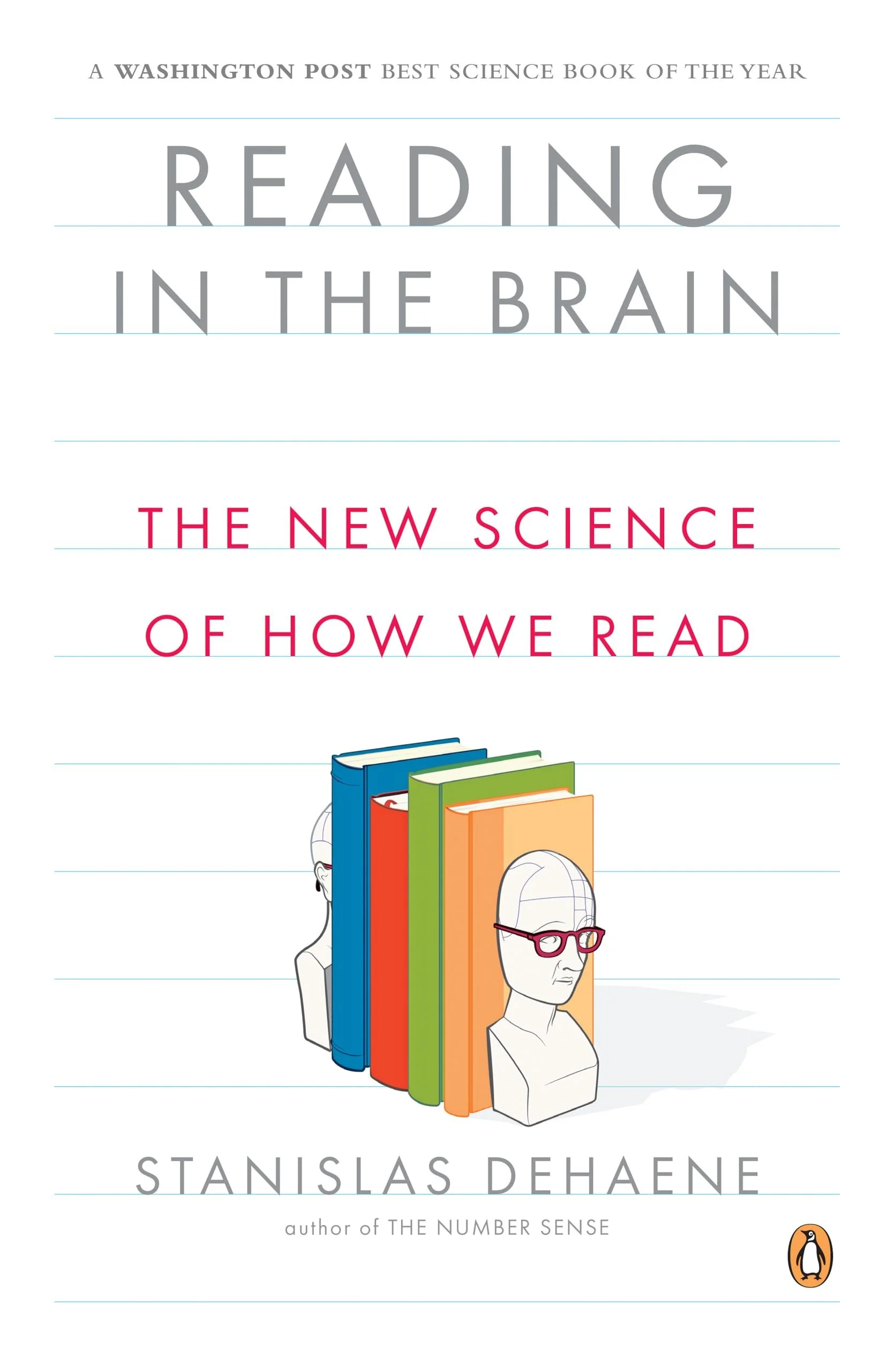
I’m not going to lie… this took me a LOT of brain power to read… it is VERY scientific… but if you’re a reading teacher, I definitely recommend it for anyone genuinely interested in how we read.
Dehaene explains what the brain physically has to do to learn to read, and why it's such a strange thing to ask of it. We're wired for speech. We are not wired for print. Every child who learns to read is borrowing a bit of brain that evolved for something else entirely.
Which is why reading needs to be explicitly taught in a way that spoken language doesn't.
It's the most demanding book on this list but personally I think it is worth it (although I must admit I haven’t read every single page!).
Read it if you want to understand the why underneath the how.
3. The Science of Reading by Doug Lemov
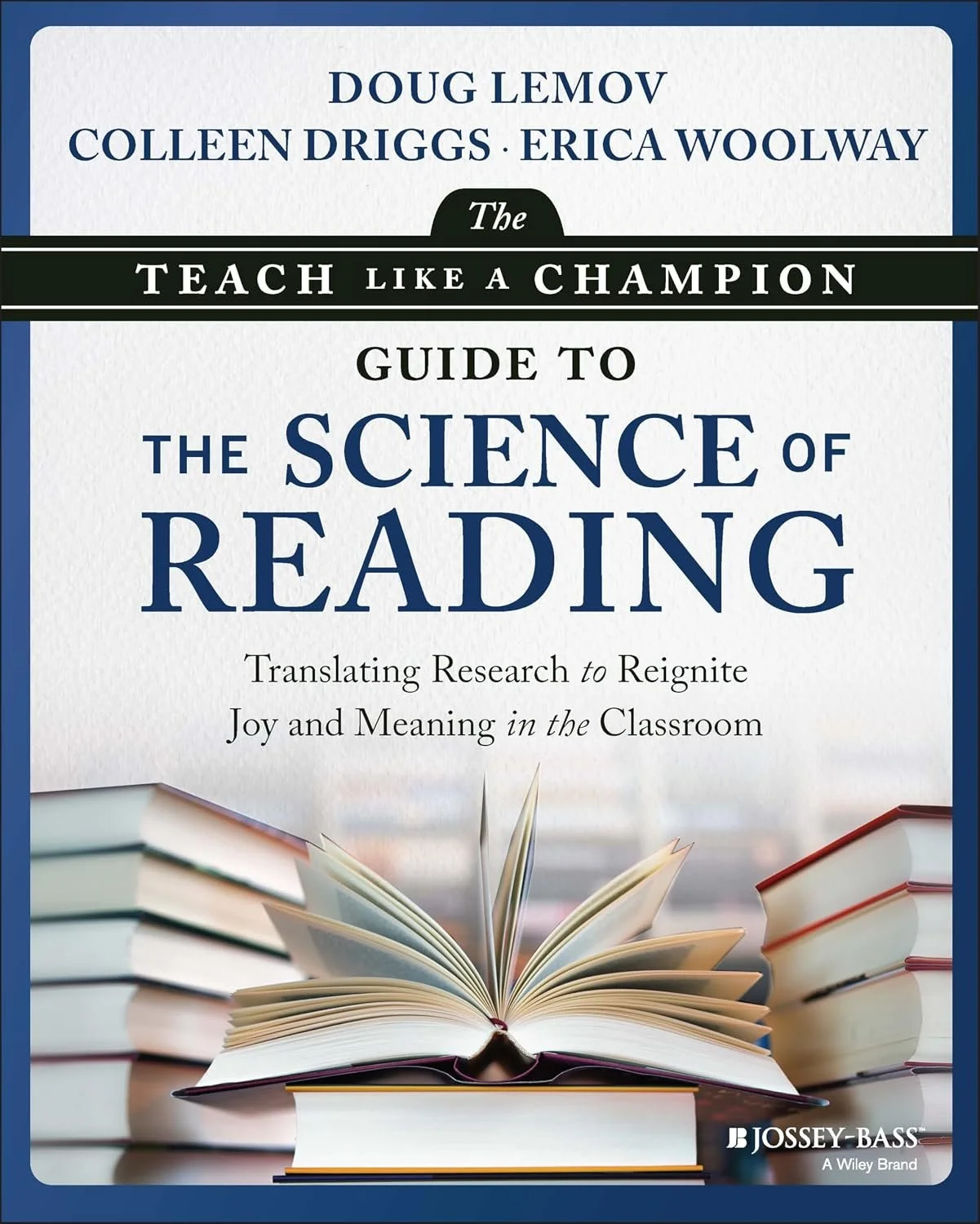
A book I WISH I had when I was still in the classroom.
I’ve always been a huge fan of the way Doug Lemov takes the theory and applies it to REAL life classroom situations.
It takes what we know about how children learn to read and turns it into what teaching actually looks like on a wet Tuesday morning.
It shows you what good reading teaching looks like, so you can spot it when your child's school is getting it right.
It takes you beyond decoding and shares the crucial next steps after a child can read their first words, covering skills such as fluency and motivation.
Read it if you're a teacher, or a parent who wants to understand what's happening in the classroom.
4. Jim Trelease's Read-Aloud Handbook
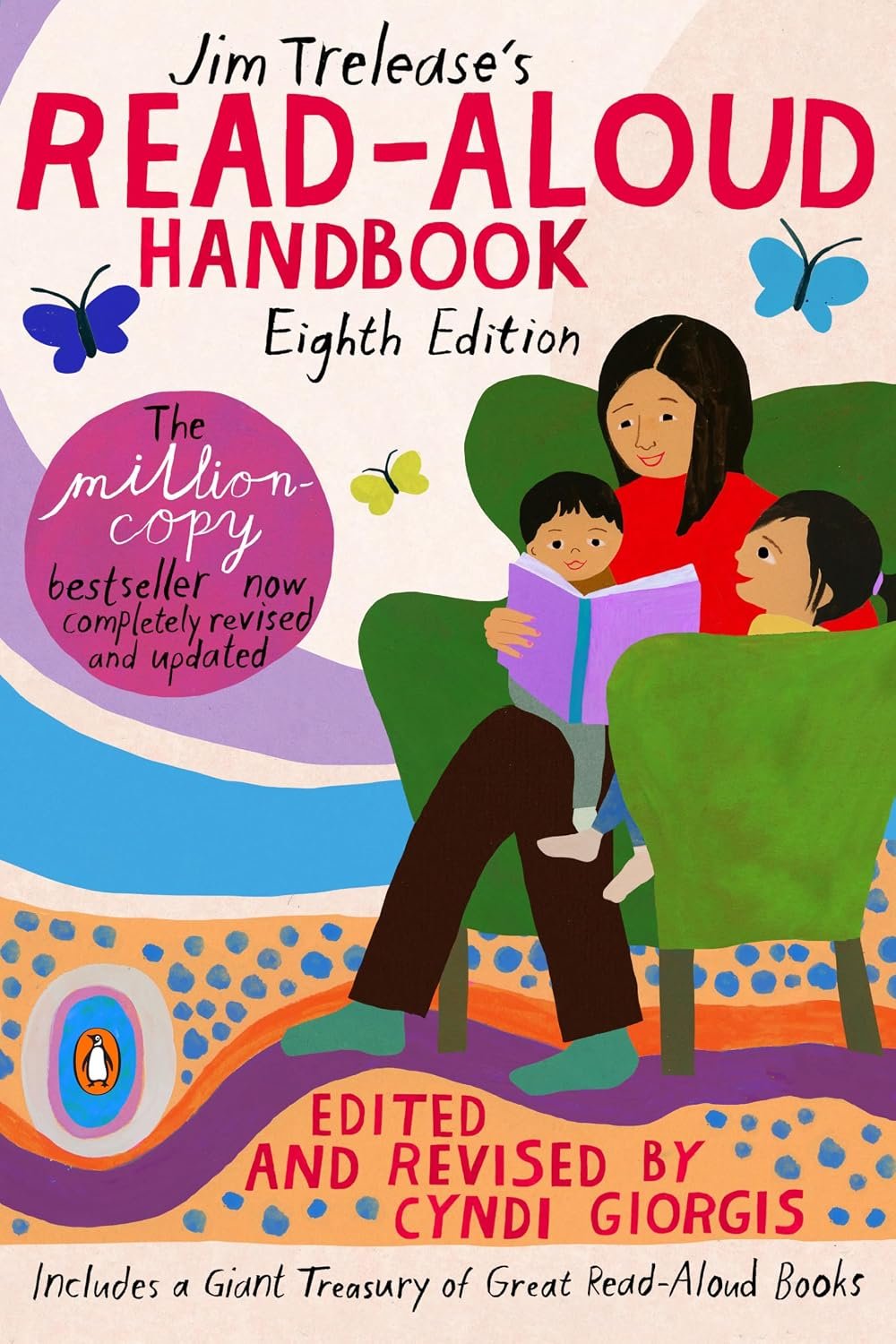
If I could hand one book to every parent, it might be this one.
The argument is simple and the evidence behind it is enormous. Read aloud to your children, and keep going long after they can read by themselves.
Trelease is brilliant at explaining why so many parents stop reading aloud too early. The moment a child can read independently we seem to hand the job over to them, and we lose the part of reading that was purely lovely for both of you.
Reading aloud isn’t just about teaching children to read. It’s about bonding, vocabulary, imagination - and helping children associate books with pleasure. Keep going long after they can read for themselves.
Read it if your child has just started reading on their own and you're wondering whether bedtime stories are still your job.
5. Smartphone Nation by Dr Kaitlyn Regehr
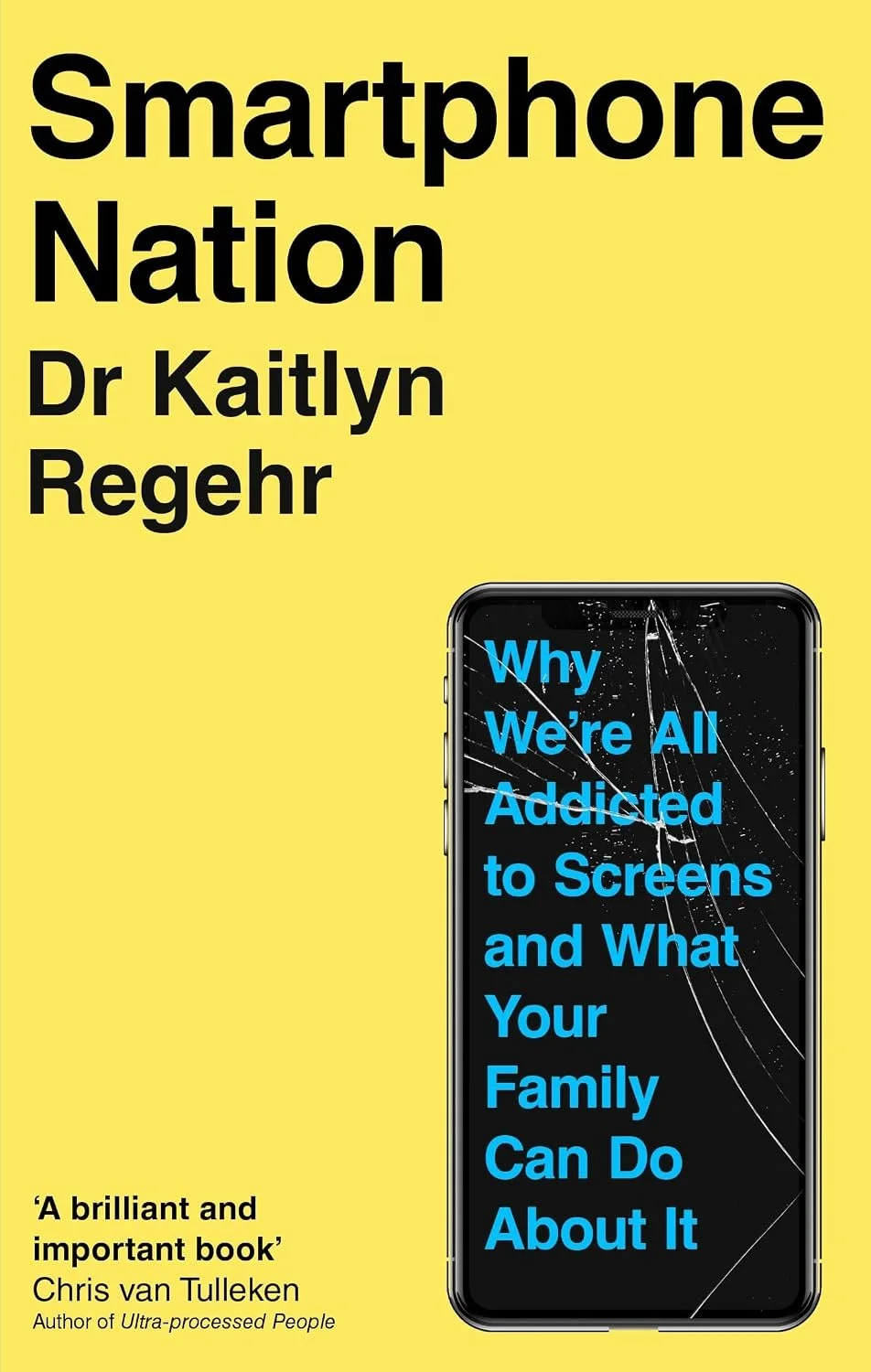
A book I wish ALL parents would read! Genuinely.
It is essentially a book about the BIGGEST challenge that reading is now up against… the rise of smartphones for children.
Regehr is excellent at explaining clearly how these products are designed, and what that design does to a child's attention.
As you’ve probably seen, I’m not anti-screen.
In fact, I have built an app that teaches reading (The Phonics App).
But I am very firmly against technology designed to constantly compete for children’s attention.
Reading a book asks for a kind of sustained attention that is getting increasingly harder for our children to do … when everything else in their lives is engineered to disrupt their concentration.
Read it if you want to think clearly about screens without drowning in guilt. And definitely read if you have a pre-teen.
P.S. That question… ‘How do we get children not just able to read, but actually WANTING to read?’… has been on my mind a lot this year.
It’s also one of the reasons we’ve created Phonics Comics: properly decodable reading practice, but in stories designed to feel like something children actually want to pick up.
They’re coming this autumn. Join the Phonics Comics waitlist here.