
The One Thing I Noticed Every September
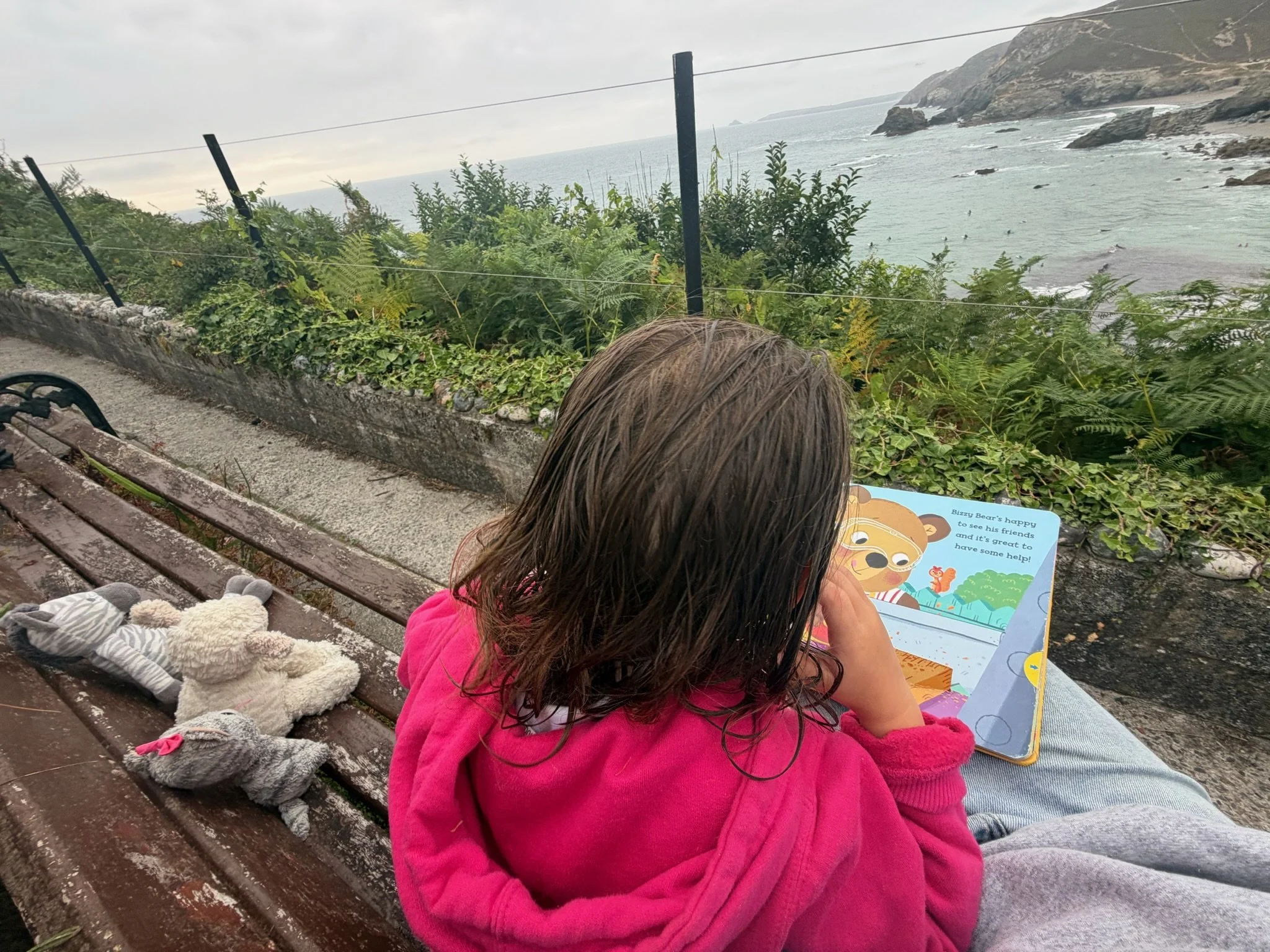
There was always one thing I noticed as a teacher after the summer holidays.
Some children walked back into my classroom in September and just carried on. They picked up a book, found their place, and got on with it like the six weeks had never happened.
Others came back different. Wobbly. They'd hover near the book corner instead of choosing. They'd pick something too easy and read it quickly so nobody could tell. One or two would say they didn't feel like reading today — which is what children say when they've stopped feeling sure of themselves.
It took weeks to build that back. Sometimes half a term.
And it was almost never about ability. It was about the fact that six weeks is long enough for a child to forget they're a reader.
What the summer slide actually is
You'll see it called the summer slide, and the research behind it is real. When everything stops at once for six weeks, children can lose a meaningful chunk of what they learnt over the year. Reading is the bit that slips fastest, because reading is the thing that needs the most regular practice to stay comfortable.
But I think the numbers make it sound more academic than it feels in a classroom.
What actually goes isn't the sounds. Children don't forget how to blend. What goes is the fluency — and with it, the confidence. A child who was reading smoothly in July comes back stumbling a little in September, hears themselves stumbling, and decides reading has got hard again.
That's the bit I want to protect. Not the reading level.
The feeling.
So this is my non‑negotiable
My children read every day of the summer holidays. In some form. That's it — that's the whole rule.
I'm not doing maths over the summer. There are no worksheets in this house, no times tables in the car, no reading records to fill in. I'm not trying to get anyone ahead.
I just want them walking into September still sure of themselves.
And I've learnt that the only way to keep it going for six weeks is to make sure none of it looks like school. The minute it feels like work, you're negotiating. Once you're negotiating every day, you've lost — because you will be tired by week three, and so will they.
So here's what we actually do.
None of it looks like school
A den and a torch
Cushions off the sofa, a blanket over two chairs, curtains shut in the middle of the afternoon. One torch and a pile of books. They'll stay in there far longer than you'd expect — something about the dark and the small space makes reading feel like a secret rather than a task. It costs nothing and takes two minutes to build.
Stories outside, after the bath
Bath as normal, pyjamas on, then out into the garden with a blanket while it's still light. Teddies invited. The story happens outside instead of in the bedroom — it's the same book you'd have read anyway, it just doesn't feel like the end-of-day routine, so nobody argues about it.
The book, then the film
Read it together first, then watch the film version with popcorn as the event at the end. What I love is what happens during the film — they'll pause it, tell you the hair's the wrong colour, that whole bit didn't happen in the book. That's close reading. They just think they're complaining about a film.
Audiobooks in the car
Long journeys stop being long. Nobody asks how much further, everyone's inside the same story, and you can talk about it afterwards without it being a comprehension exercise — just what did you think would happen, and were you right. It also counts on days when you've got nothing left to give.
Comics count
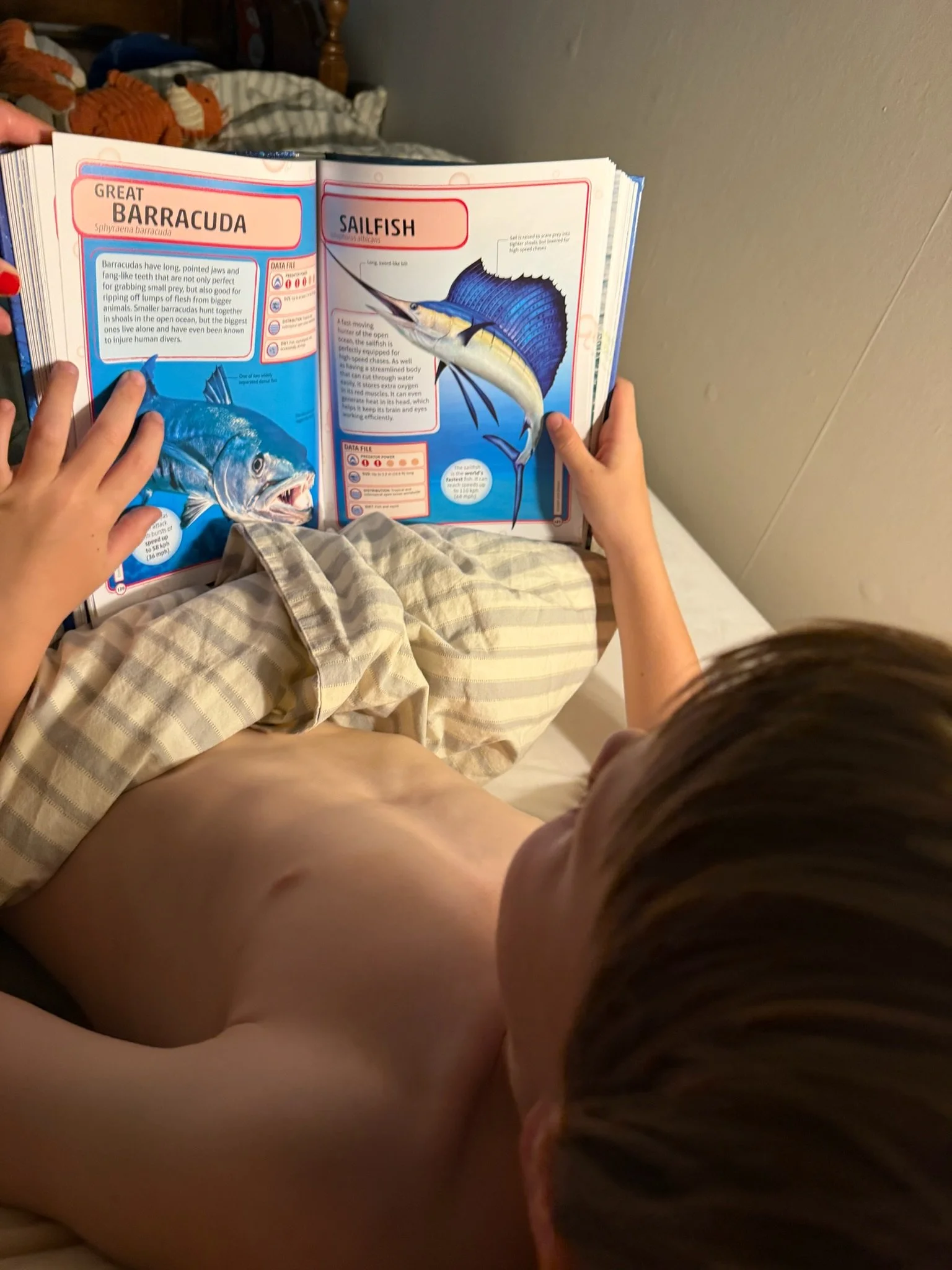
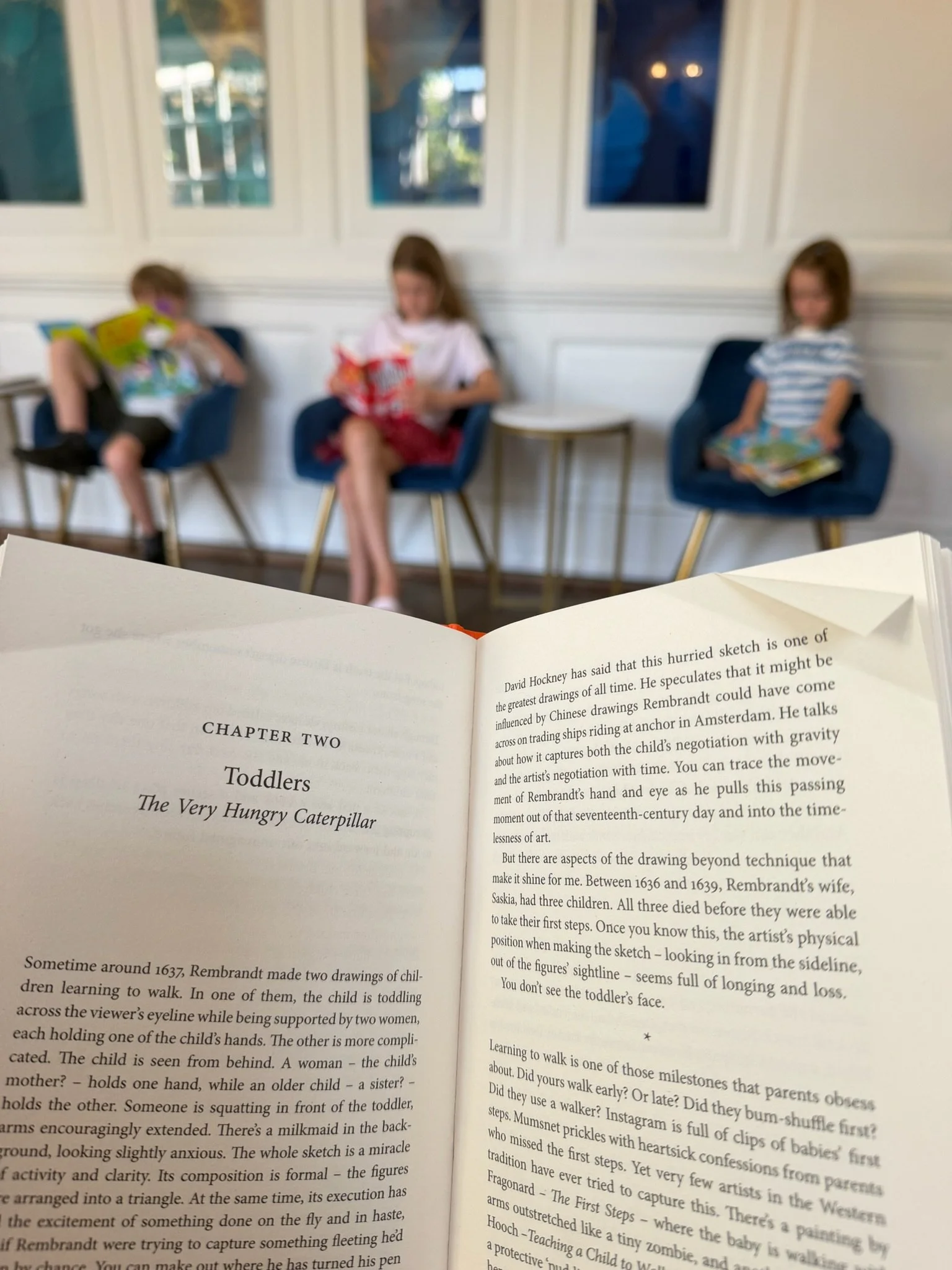
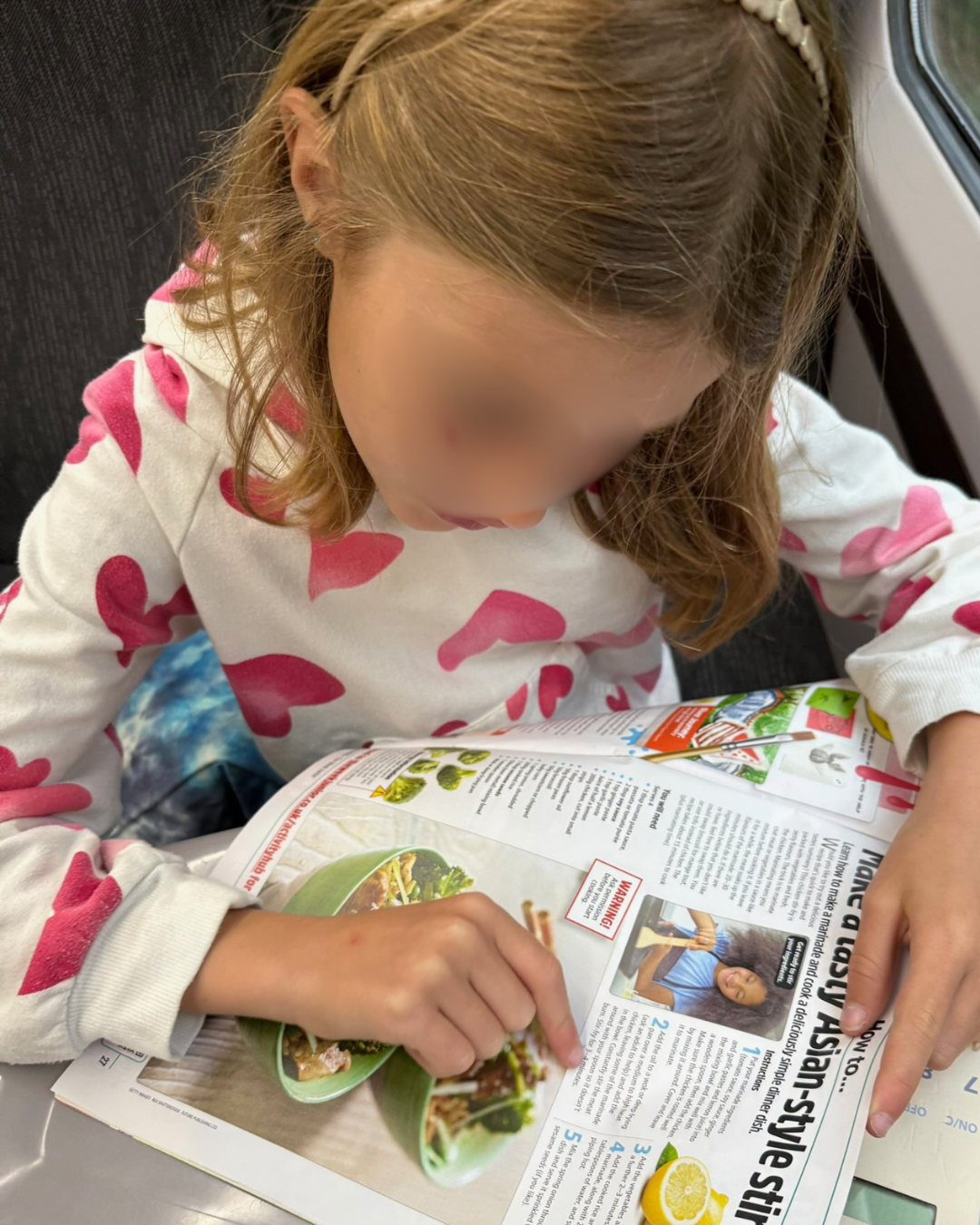
I'll say this as plainly as I can. Comics count. So do joke books, football annuals, recipe books, and the same dinosaur book for the ninth time. A child who chooses to read is worth more to me than a child who reads something impressive because they were told to. Choice builds the habit, and the habit is the whole point.
Not a reading level. A feeling.
None of this is extra work. It's ten minutes. What your child gains is knowing that books are a normal part of a normal day, like brushing teeth or going outside — something you do because it's good, not something you're made to do before you're allowed to play.
Do it for six weeks, and it stops being a thing you're keeping up. It's just what your family does.
Summer Reading Bingo
Two versions included — one for little listeners, one for independent readers. Print it out and cross off the squares as the summer goes.