
What every Year 1 parent needs to know about the Phonics Screening Check

If your child is in Year 1, you'll have noticed a date quietly creeping up on you in June. It's called The Phonics Screening Check, and if you're feeling apprehensive about it, you're definitely not alone particularly if your child seems to be struggling with phonics.
So let me walk you through what it actually involves, and why I really don't think it's worth losing sleep over.
What it is, in a nutshell
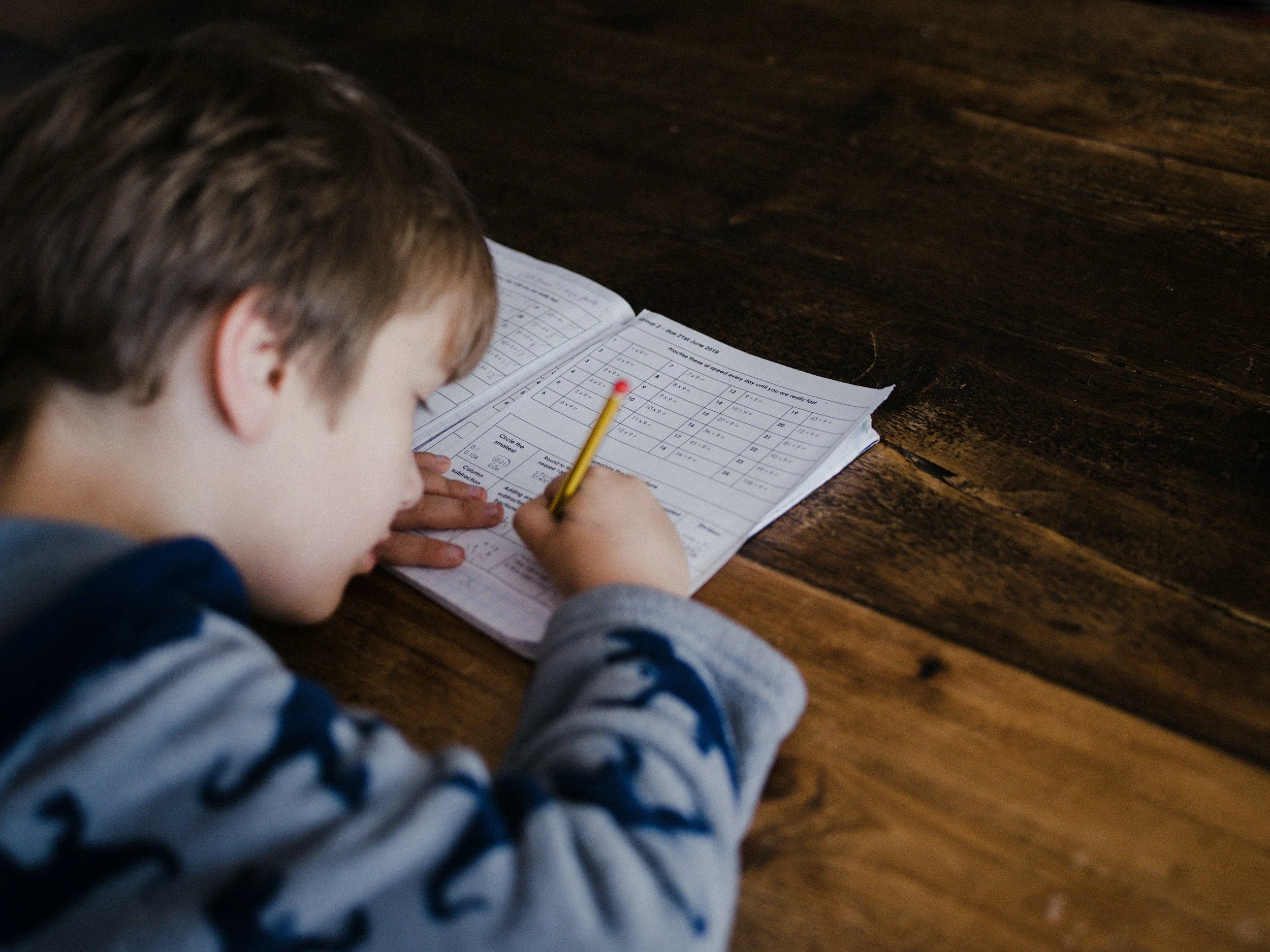
The check takes place one-to-one with a familiar teacher — most children don't even realise it's a test.
40 words read aloud
20 real · 20 nonsense
Pass mark: 32 out of 40
Takes ~10 minutes
Every Year 1 child in England sits the check in the first few weeks of June. They sit beside their teacher and read forty words aloud. Twenty are real, and twenty are what's known as 'nonsense' words (more on those in a moment). All of them can be decoded using the phonics sounds your child has been learning since Reception. The pass mark is 32 out of 40.
Now, I won't pretend this check isn't a contentious one. Plenty of parents, and plenty of teachers too, feel that six is too young to be tested. And people are also frustrated that children need to read nonsense words. It seems very strange to be encouraging our children to read words that aren't real and don't have meaning.
I agree on both counts, truthfully. But the check is part of the system … which means we're stuck with it! And the kindest thing we can do is help them feel calm and capable when the moment comes.
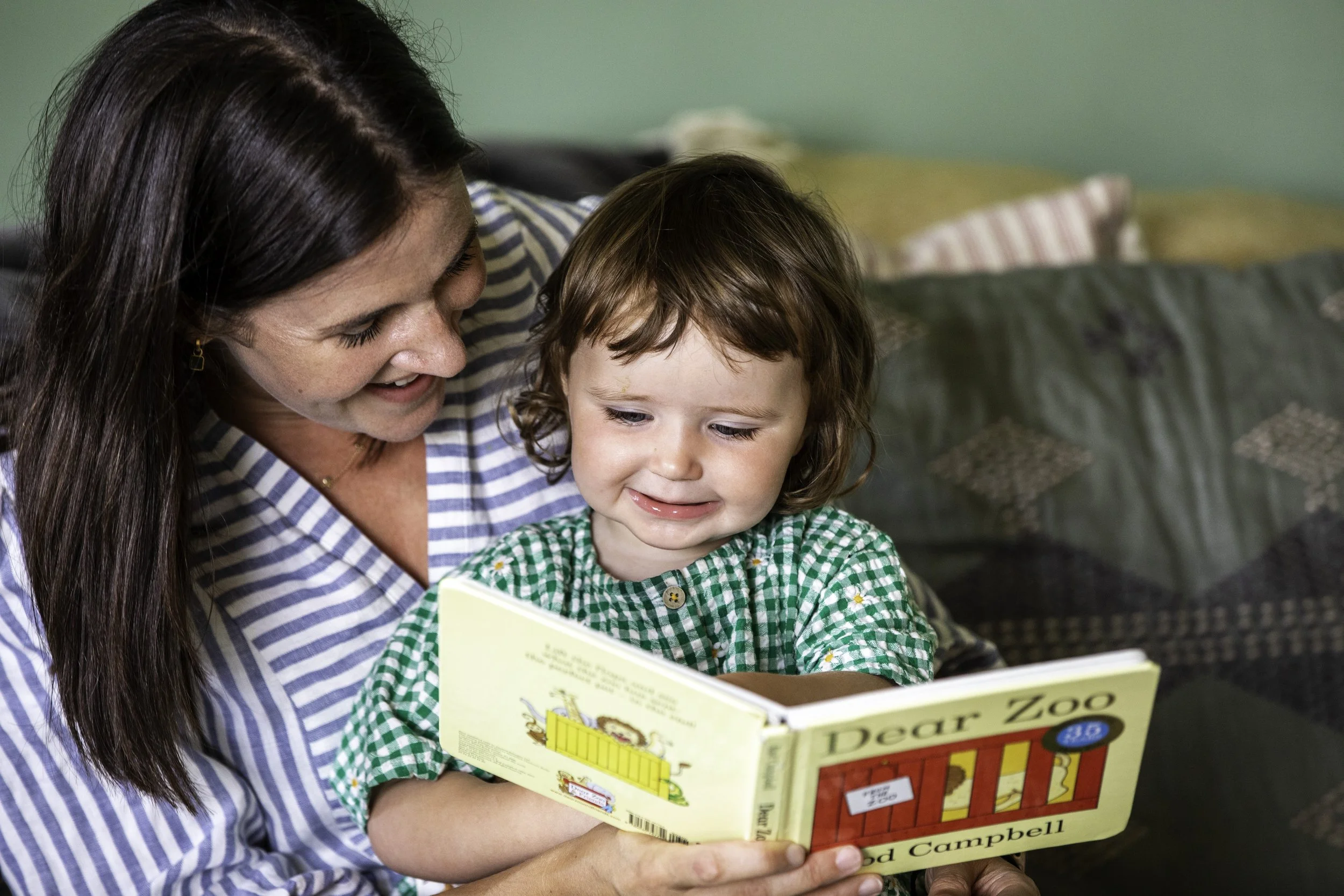
Three things that might help parents
1. Your child almost certainly won't realise they've sat a test at all. The teachers I most admire are skilled at making the whole experience feel like an ordinary morning of reading words with their teacher, no different from any other week. Both of my own children sat their checks without ever knowing they had, and that's exactly the experience we want for every child.
2. Not reaching 32 is genuinely not the disaster it can feel like in the run-up. If your child doesn't pass, they continue into Year 2 with extra phonics support woven into their week, which is honestly a quiet gift. They re-sit the check the following year, by which point most children sail through it with ease.
3. Helping your child prepare really does not have to feel like a chore for either of you. Five minutes of phonics games on the kitchen floor, in the car, or at bath time can do far more than a tense half-hour at the table ever will.
Try this at home
“If you’d like a gentle, low-pressure place to start, pick three sounds your child finds tricky and turn them into a little treasure hunt around the house. Write each one on a paper card, hide them in plain sight, and ask your child to read each sound aloud as they find it. Five minutes, no fuss, and exactly the kind of playful, repeated exposure that builds the long-term memory the check is really measuring.”
A few things that might help
The 2025 Phonics Screening Check past paper— so you can see exactly what your child will encounter
Every sound your child needs to know, gathered in one place inside The Phonics App, with 600 words for them to practise
P.S. If your child is struggling with their phonics, give them daily practise on the school run with The Phonics App for the next month — you can trial it today for free.
