
They Can Read. But They Don't.
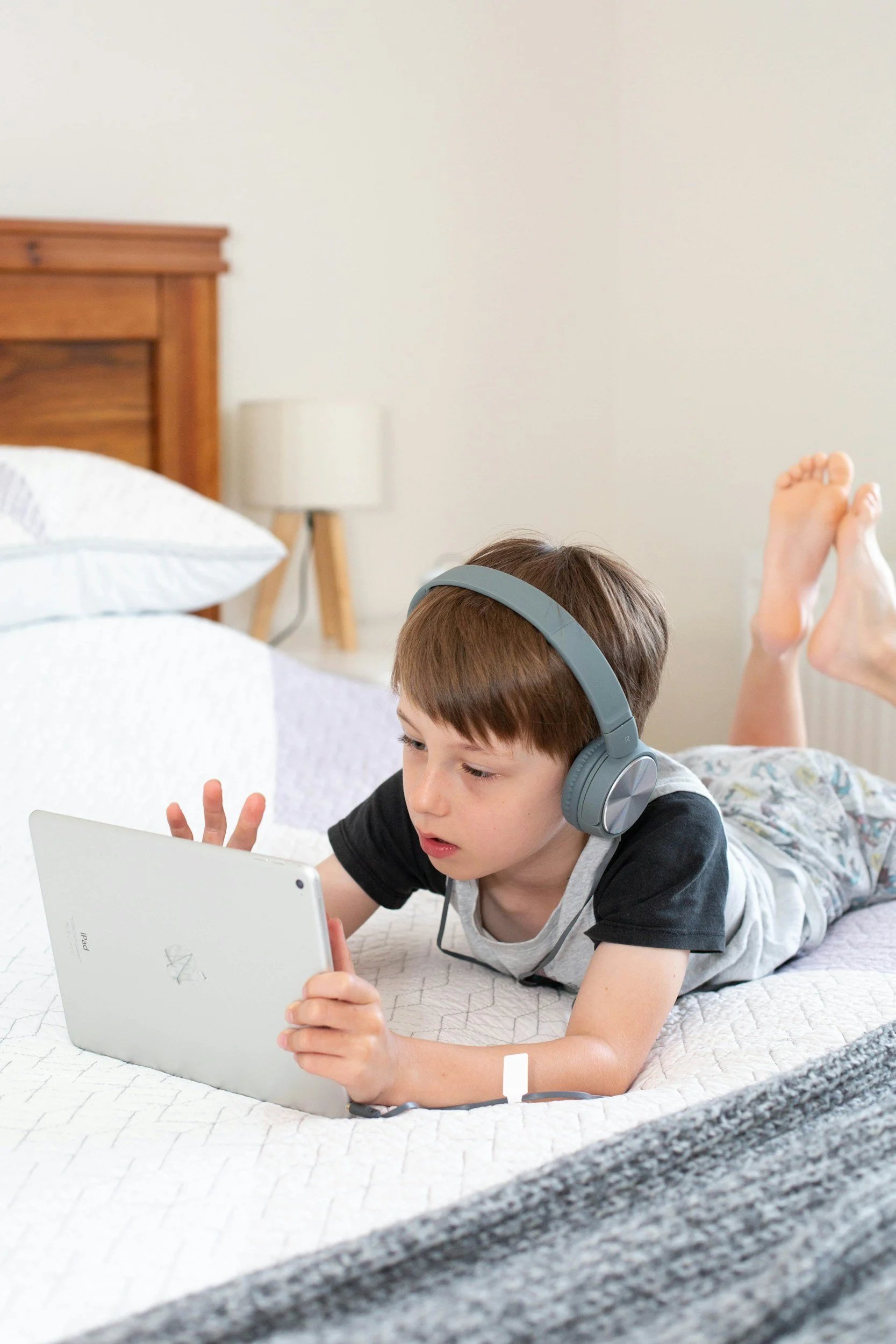
Many parents are noticing the same thing with their children.
They start school and are doing well, they learn to decode. They are able to read their phonics books at home to you. It all seems like reading is something that is happening naturally.
And then, just when you thought the hard part was over, just when they were finally ready to start choosing books for themselves, they seem to have stopped.
This isn't because they can't read. But, its because they don't want to read.
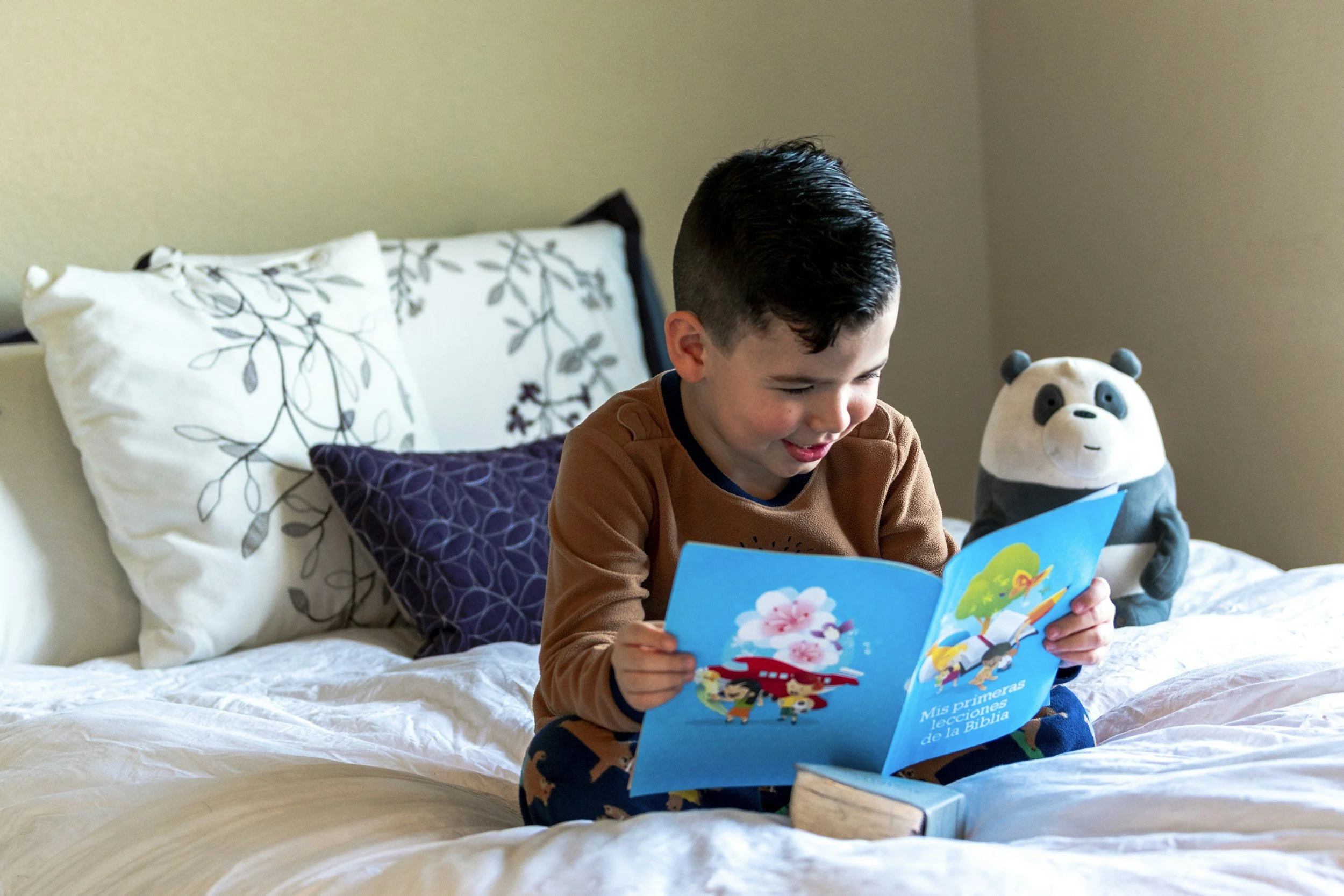
When they have free time - actual, unstructured, choose-whatever-you-want time - a book is rarely what they pick.
You thought that if they could read, then they would read. But this just isn't happening.
Over the past decade, schools have become remarkably good at teaching children the mechanics of reading. Phonics teaching is stronger than it's ever been. Support for struggling readers has improved.
But here's the thing: knowing how to read and wanting to read are two entirely different things.
Phonics teaches the skill. It doesn't create the desire.
And schools, despite all their best efforts, don't always have the time in the curriculum to help children want to read. They do their best, but time is tight with all of the other subjects.
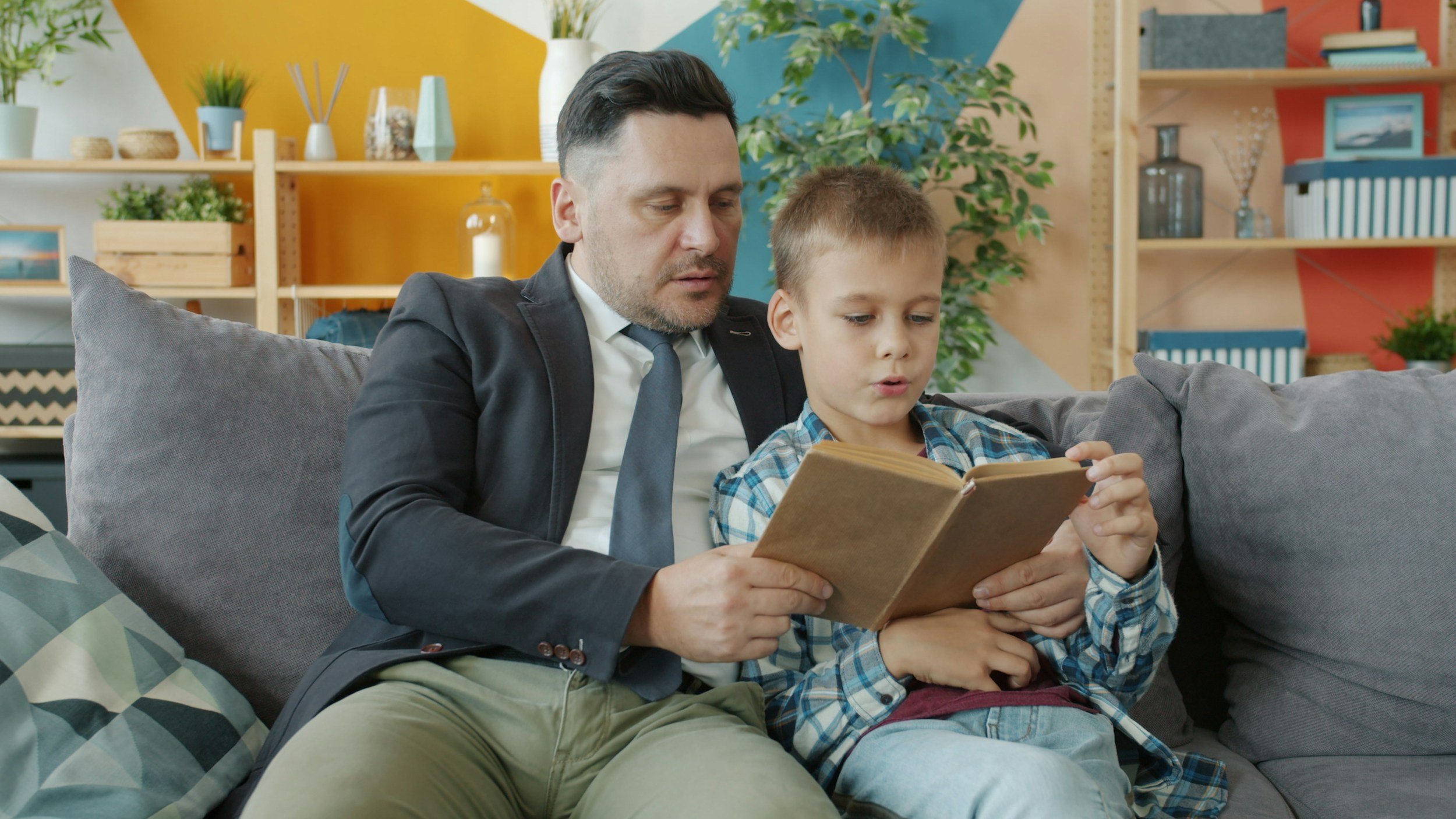
Reading for pleasure, meaning when children pick up a book for themselves because it gives them joy, develops in a completely different way from reading for instruction.
Reading skills can be taught directly - phonics lessons, guided reading, comprehension practice. But motivation? Is something that needs careful nurturing.
Here are things you can do at home to help your child want to choose to read:
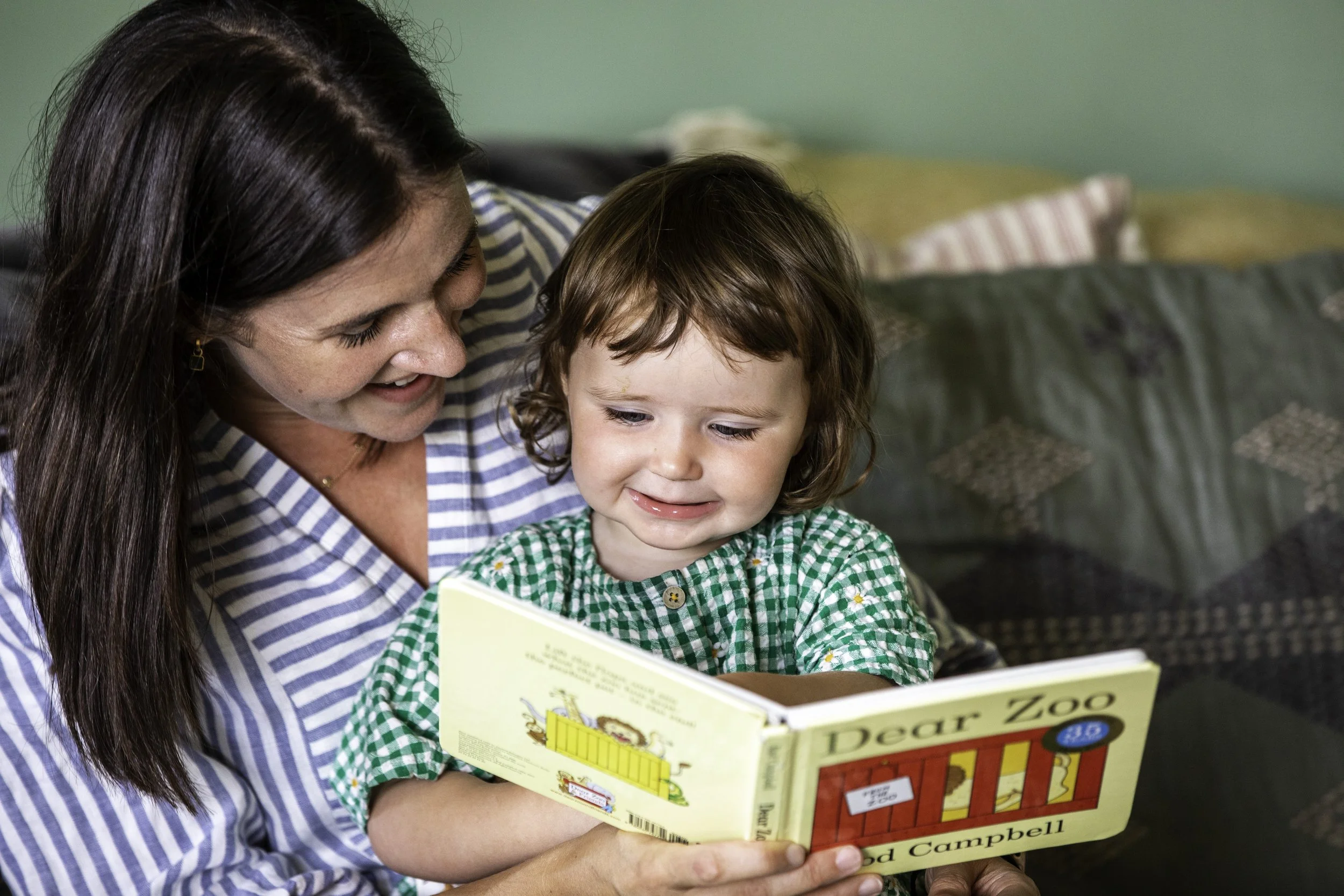
Read stories read aloud to them as often as you can, and keep doing this long after they can read for themselves
Let them see you read for pleasure. Pick up a book instead of a screen whenever you can.
Find books that genuinely interest them - not books someone else has decided are "appropriate" or "good for them". Graphic novels/ non-fiction books, and even audio books, all count.
Give them space to read without constantly correcting, questioning, or testing them. Let them just read. No questions.
Parents sometimes worry that helping their children to become readers requires elaborate routines, expensive books, or a perfect home library. But honestly, it is so much less complicated than this.
WANT MORE IDEAS FOR HOW TO RAISE A READER?
Click here to find out more about how I can help you.
