
Why So Many Children Don’t Enjoy Reading Anymore
The UK statistics are bleak: only around 1 in 3 children say they enjoy reading, and far fewer actually read every day.
But why? What has changed? Why are so many fewer children reading than there used to be?
Screens and Distractions Are Everywhere
There are lots of reasons, of course.
We now have screens and distractions everywhere we look. Adults also read much less than they used to, which means children aren’t seeing reading role models in the same way.
But I think there’s another reason we don’t talk about enough.

Reading Has Started to Feel Like a Chore
We’ve started to make reading feel like work.
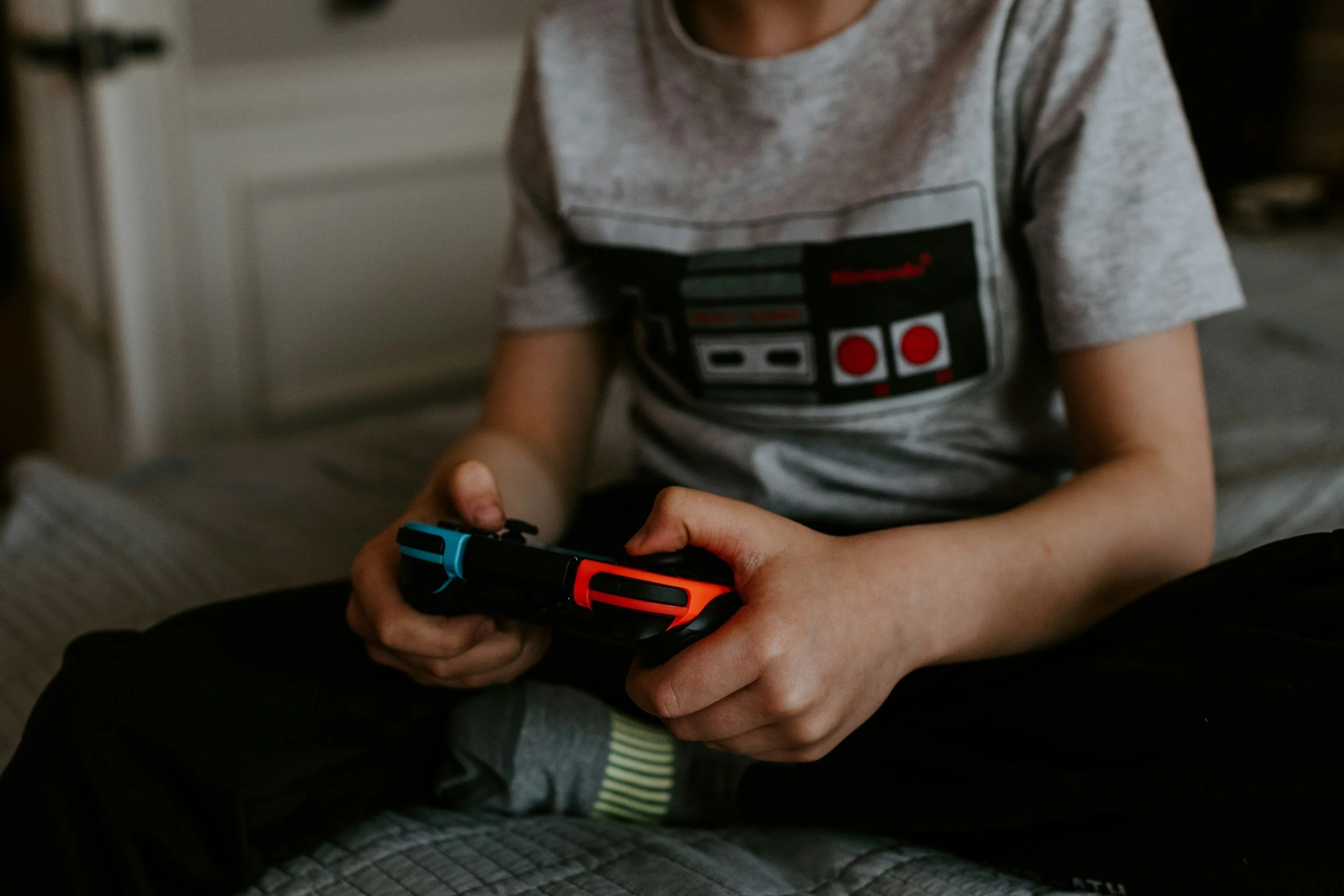
Let’s look at this through the lens of a video game.
Imagine if we made our children pause the game every five minutes to analyse the meaning of what they’d just played.
Imagine if, at the end of every 30-minute session, they had to write a paragraph explaining what the video game meant.
Or they had to keep a “Video Game Log”, documenting how long they’d spent playing and what the best bit was each day.
That would be a fast track to getting our kids to game less, wouldn’t it?
And Yet… This Is What We Do With Reading
Children are constantly required to answer questions about what they’ve read.
They sit “check for understanding” tests after finishing books.
They’re tested on phonics, spelling, and comprehension.
They take tests in Year 1, Year 6, and soon Year 8.
No wonder reading starts to feel like work.
Children forget that reading is something fun, because it so often comes packaged as performance.

Reading Should Be Enjoyable
We need to take this back.
We need to help children remember that reading can be — and should be — enjoyable.
Reading takes them on adventures.
It helps them learn about their favourite hobbies.
It opens doors to places they’ll never visit and ideas they’ve never considered.
Reading is something to be treasured.
Three Simple Ways to Rebuild a Love of Reading
Here are three simple ways to help rebuild that love of reading at home
1. Read Aloud to Them
Even if they can already read independently.
Shared stories continue to build vocabulary, imagination, and connection.
2. Give Them Choice
Even if it’s a re-read, or you don’t think it’s “challenging” enough.
Comics, graphic novels, fact books, and favourite series all count.
What matters is that they want to read it.
3. Read in Front of Them
Let children see that reading is something your family values.
Reading habits are often caught, not taught.
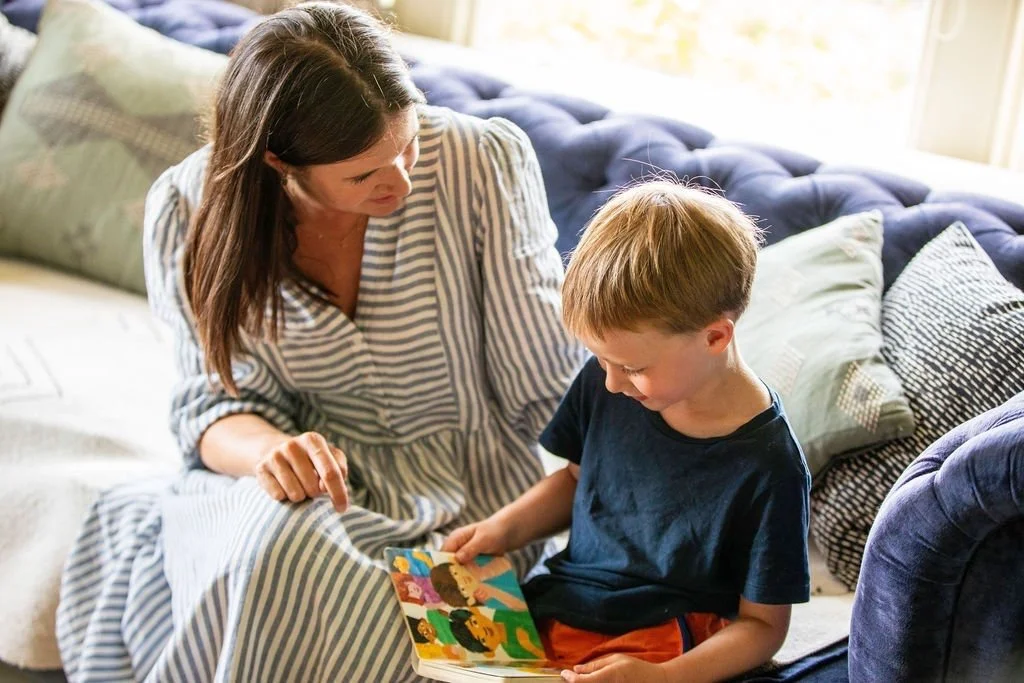
Reading doesn’t need to be complicated.
It doesn’t need elaborate routines, expensive book collections, or perfectly structured time.
Sometimes it simply needs space to be enjoyable again.
Thanks for being here 💛
