
Boredom Experiment That Changed Everything
What happens when you stop solving your children's boredom? I found out last Sunday—and it seems to have got them reading... for now!
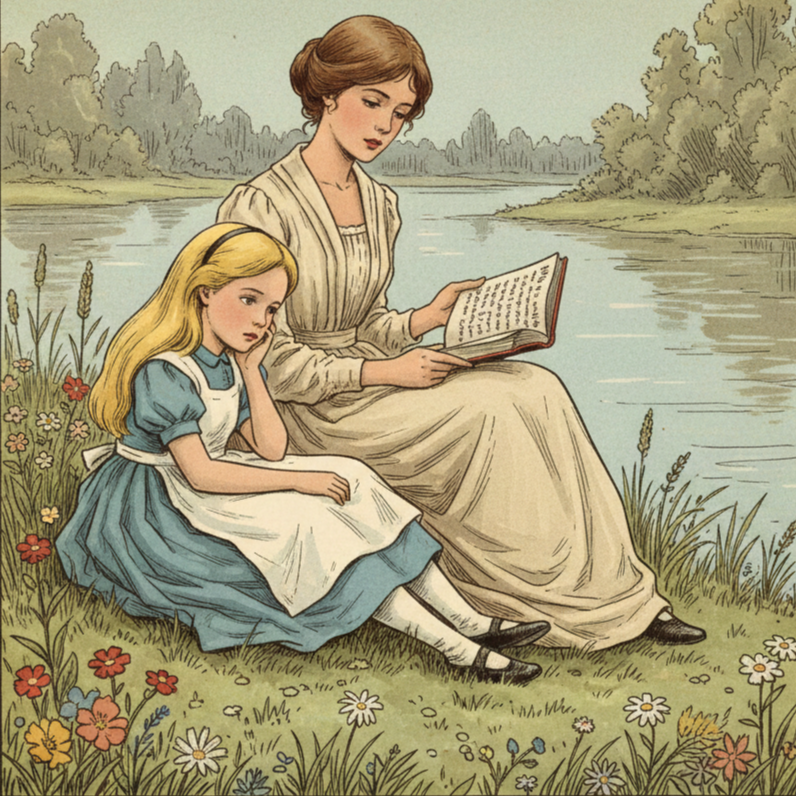
I was reading Alice in Wonderland with my daughter a few weeks ago when something caught my attention. The opening line says: "Alice was beginning to get very tired of sitting by her sister on the bank, and of having nothing to do."
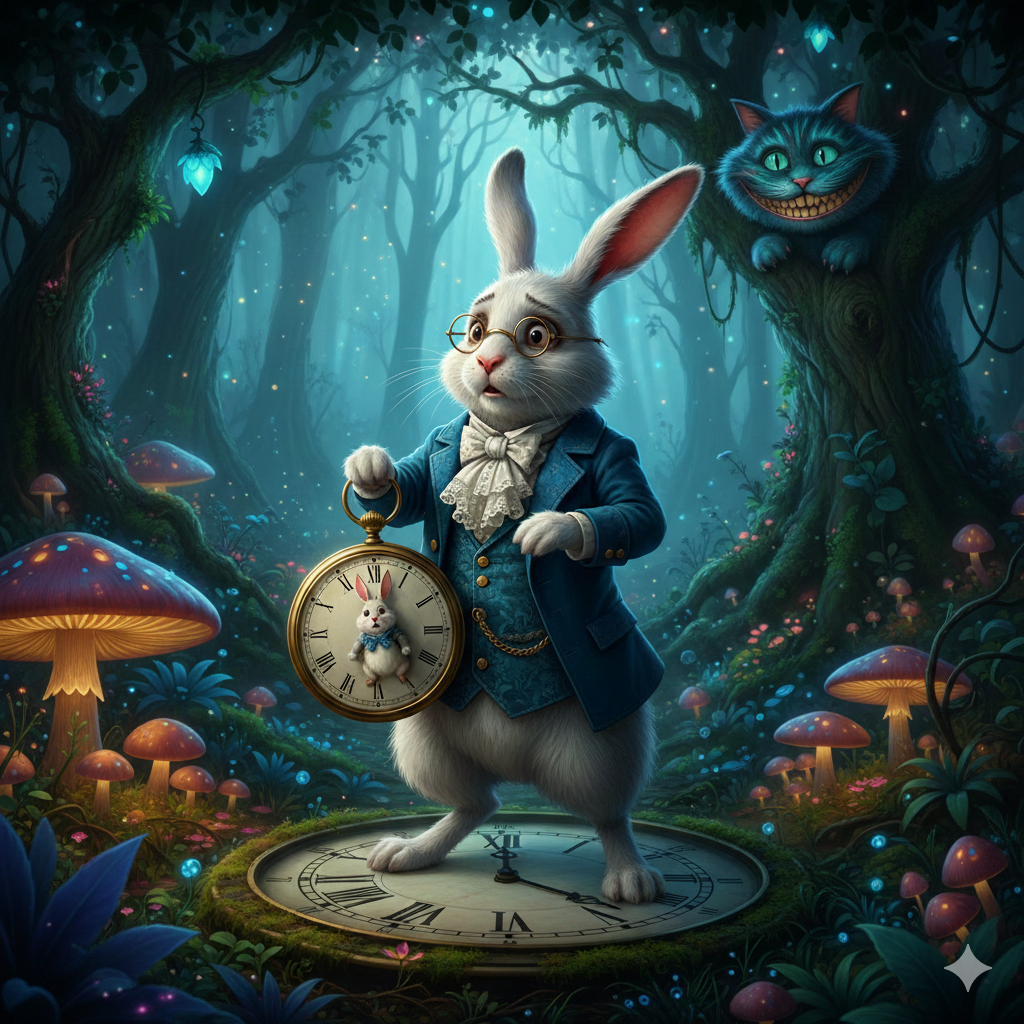
Alice, clearly bored out of her mind, starts to dream—and from this boredom comes the doorway into her world of White Rabbits, ticking clocks, and strange, smiling cats.
I was inspired by Lewis Carroll and decided to test this theory out on my own children.
The Sunday Afternoon Experiment
Last Sunday, on a rare, quiet afternoon with no plans at all and no screens allowed (they'd used up their 'allocation' in the morning), it wasn't long before the all-familiar "I'm bored" was announced by one of my three.
I replied: "Only boring people get bored."
(They hated it. I enjoyed it far too much.)
But this was not going to be the day I stepped in to 'solve it' for them. I was heading to the attic to sort through boxes in my annual January reset. Cruel as it might sound, I wasn't going to let their boredom derail me this time.
"You have three choices," I told them. "Help me in the attic, organise your own clothes in your bedroom, or find something to do yourselves."
Then I left them to it.
What Happened Next
After twenty minutes of sighs and complaints, something shifted.
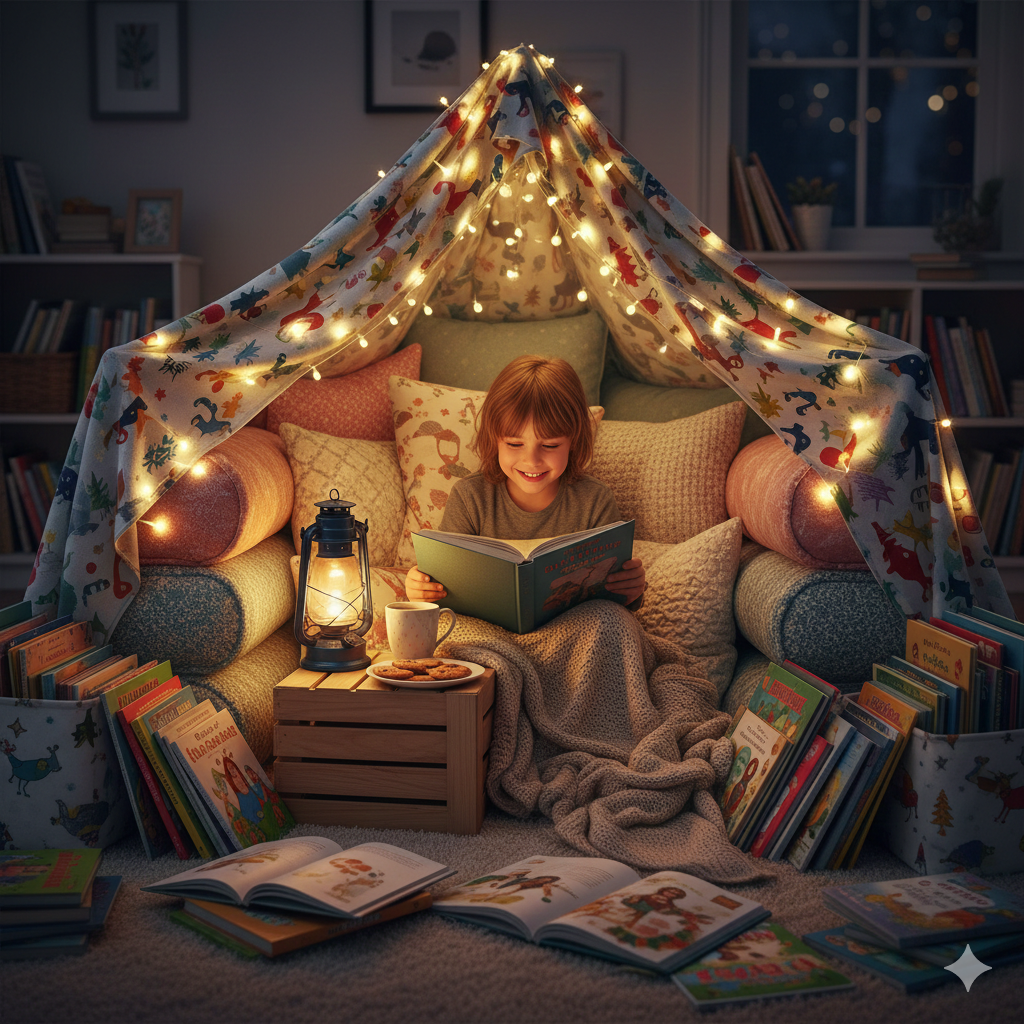
My eldest disappeared into her room, turned on her music and did some Lego. My middle child built an elaborate den in the living room. My youngest found a box of crayons and spread paper across the kitchen floor.
For about an hour and a half, they entertained themselves. The mess was eye-watering—cushions everywhere, paper scattered, Lego bricks underfoot.
Then a fight broke out over who got to use the "best" cushions for the den. Voices escalated. Someone threw a book. I had to come downstairs and mediate.
But here's what surprised me: after the squabble settled, they went back to it. The den got rebuilt. Books and artwork ended up scattered everywhere. They played some version of 'Art Teachers' for another half hour.
It wasn't perfect. It wasn't peaceful. But they had found something to do.
And I hadn't solved it for them.
The Thing We've Stopped Doing
When I was younger, I was an avid reader. But that didn't happen because my parents forced me to read or made me practice every night.
It happened because I was bored.
My mum would be busy. My siblings were older and had their own things going on. I'd wander around the house with nothing to do, eventually pick up a book, and read on my bed for hours simply because there was nothing else available.
We were left to our own devices. Literally left—not in a neglectful way, but in a "figure it out yourself" way.
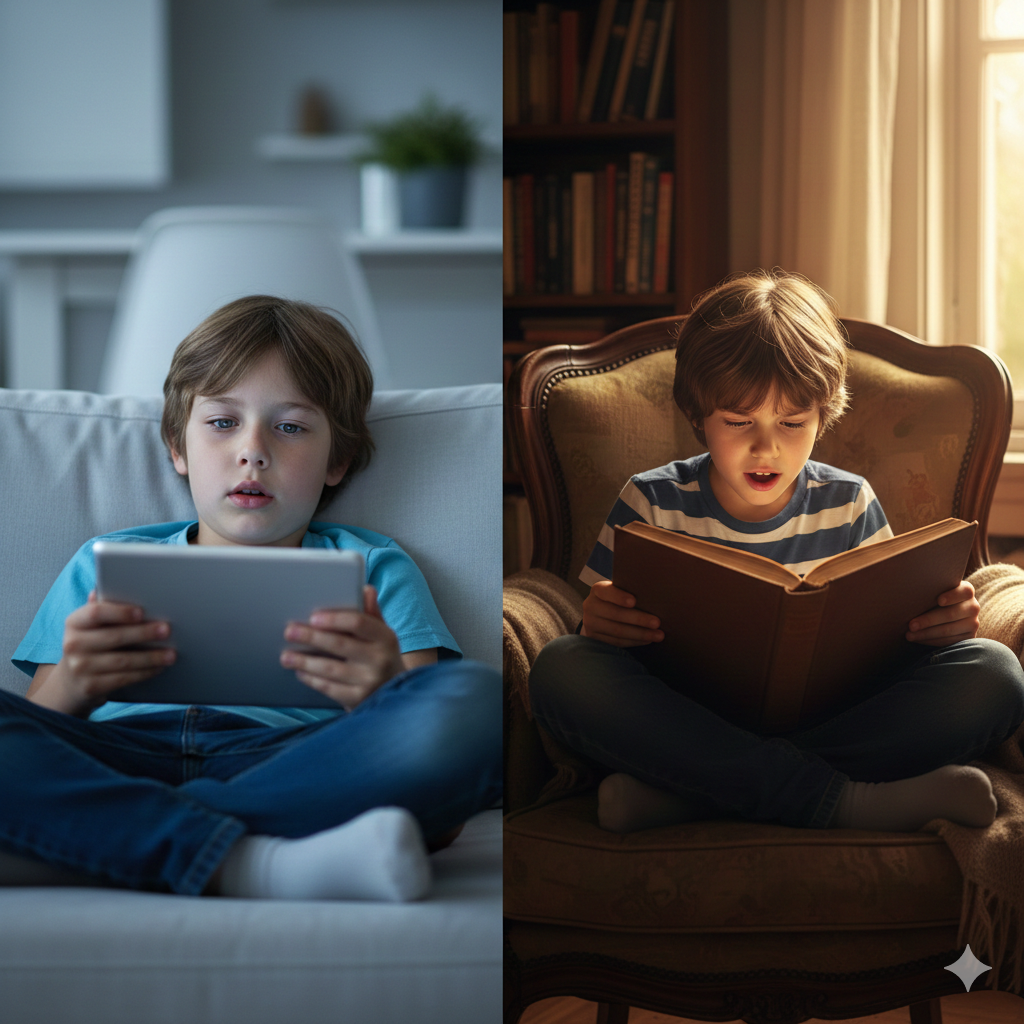
Somewhere along the line, we've stopped doing that. We solve boredom immediately—with screens, with activities, with constant entertainment. We've become so uncomfortable with our children being bored that we jump in before they've had a chance to sit with it.
But boredom is how I became a reader. And boredom might be how your children become readers too.
Boredom isn't the enemy—it's often the birthplace of reading. When children have nothing to do, they eventually find something to do. And when screens aren't an option, books become a genuinely appealing choice
One Thing to Try This Week
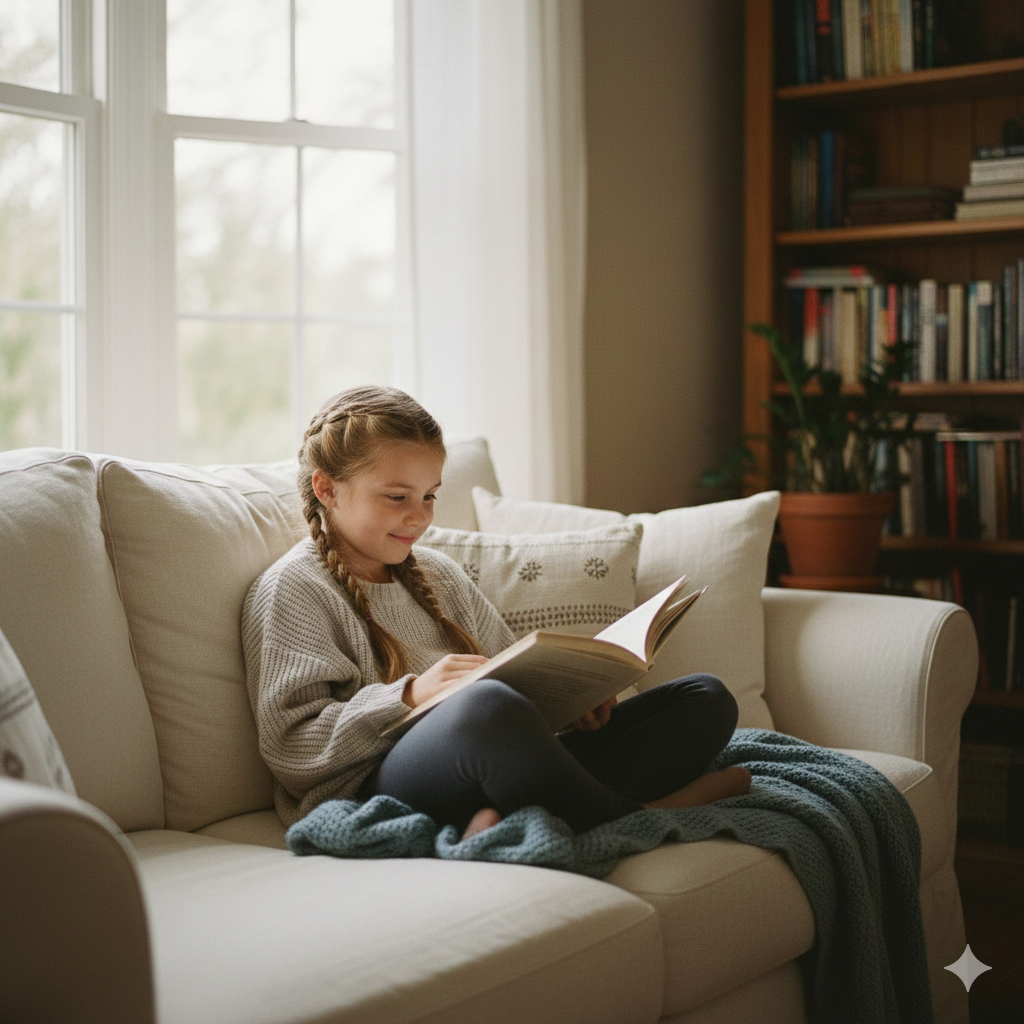
You don't need a whole Sunday afternoon free. Start small.
Pick one pocket of time this week where screens are normally the default. The car journey home from school. The 30 minutes before dinner. Saturday morning while you're making breakfast.
Remove the easy option—yes, that means no screens. Don't fill the gap with an activity. Just wait.
Yes, there will be complaints.
Yes, it will feel uncomfortable at first.
But sometimes—not always, but sometimes—boredom leads them somewhere more interesting than a screen ever would.